Product comparison · 2 wireless access points

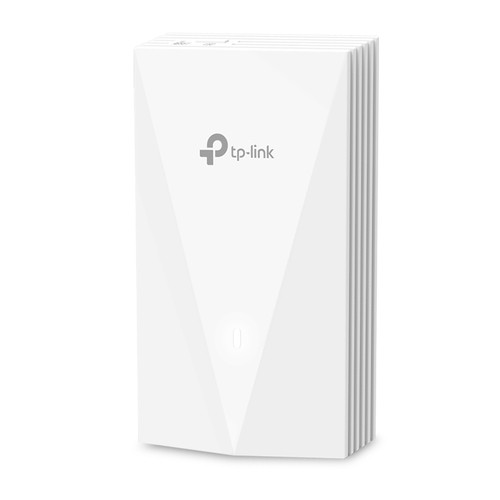
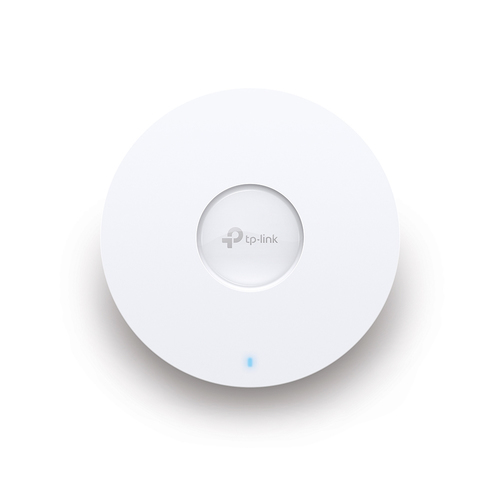
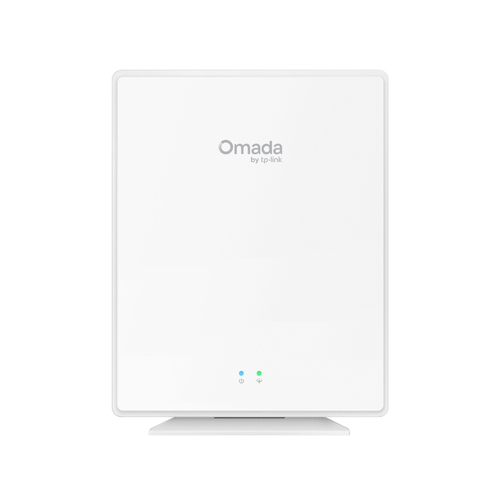
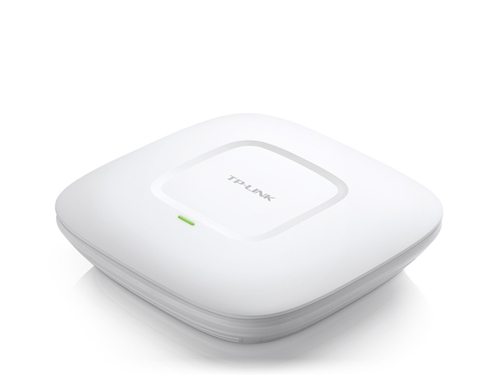
TP-Link Omada EAP655-WALL(EU) wireless access point 2402 Mbit/s White Power over Ethernet (PoE) vs TP-Link EAP720 wireless access point 4324 Mbit/s White Power over Ethernet (PoE)

Add a product
  • 42specifications compared
  • 16differ
  • 26identical
  • 41known for one product only

Key differences

The TP-Link EAP720 wireless access point 4324 Mbit/s White Power over Ethernet (PoE) has 1,922 Mbit/s more maximum data transfer rate than the TP-Link Omada EAP655-WALL(EU) wireless access point 2402 Mbit/s White Power over Ethernet (PoE) (4324 Mbit/s vs 2402 Mbit/s). The TP-Link EAP720 wireless access point 4324 Mbit/s White Power over Ethernet (PoE) has 114 Mbit/s more maximum data transfer rate (2.4 GHz) than the TP-Link Omada EAP655-WALL(EU) wireless access point 2402 Mbit/s White Power over Ethernet (PoE) (688 Mbit/s vs 574 Mbit/s). The TP-Link EAP720 wireless access point 4324 Mbit/s White Power over Ethernet (PoE) has 1,922 Mbit/s more maximum data transfer rate (5 GHz) than the TP-Link Omada EAP655-WALL(EU) wireless access point 2402 Mbit/s White Power over Ethernet (PoE) (4324 Mbit/s vs 2402 Mbit/s). Ethernet LAN data rates: 10,100,1000 Mbit/s on the TP-Link Omada EAP655-WALL(EU) wireless access point 2402 Mbit/s White Power over Ethernet (PoE), 2500 Mbit/s on the TP-Link EAP720 wireless access point 4324 Mbit/s White Power over Ethernet (PoE). Placement: Wall on the TP-Link Omada EAP655-WALL(EU) wireless access point 2402 Mbit/s White Power over Ethernet (PoE), Ceiling, Wall on the TP-Link EAP720 wireless access point 4324 Mbit/s White Power over Ethernet (PoE).

  • Maximum data transfer rate
    • Omada EAP655-WALL(EU) wireless access point 2402 Mbit/s White Power over Ethernet (PoE):2402 Mbit/s
    • EAP720 wireless access point 4324 Mbit/s White Power over Ethernet (PoE):4324 Mbit/s
  • Maximum data transfer rate (2.4 GHz)
    • Omada EAP655-WALL(EU) wireless access point 2402 Mbit/s White Power over Ethernet (PoE):574 Mbit/s
    • EAP720 wireless access point 4324 Mbit/s White Power over Ethernet (PoE):688 Mbit/s
  • Maximum data transfer rate (5 GHz)
    • Omada EAP655-WALL(EU) wireless access point 2402 Mbit/s White Power over Ethernet (PoE):2402 Mbit/s
    • EAP720 wireless access point 4324 Mbit/s White Power over Ethernet (PoE):4324 Mbit/s
  • Ethernet LAN data rates
    • Omada EAP655-WALL(EU) wireless access point 2402 Mbit/s White Power over Ethernet (PoE):10,100,1000 Mbit/s
    • EAP720 wireless access point 4324 Mbit/s White Power over Ethernet (PoE):2500 Mbit/s
  • Ethernet LAN (RJ-45) ports
    • Omada EAP655-WALL(EU) wireless access point 2402 Mbit/s White Power over Ethernet (PoE):4
    • EAP720 wireless access point 4324 Mbit/s White Power over Ethernet (PoE):1
  • Placement
    • Omada EAP655-WALL(EU) wireless access point 2402 Mbit/s White Power over Ethernet (PoE):Wall
    • EAP720 wireless access point 4324 Mbit/s White Power over Ethernet (PoE):Ceiling, Wall
  • Width
    • Omada EAP655-WALL(EU) wireless access point 2402 Mbit/s White Power over Ethernet (PoE):143 mm
    • EAP720 wireless access point 4324 Mbit/s White Power over Ethernet (PoE):160 mm
  • Depth
    • Omada EAP655-WALL(EU) wireless access point 2402 Mbit/s White Power over Ethernet (PoE):86 mm
    • EAP720 wireless access point 4324 Mbit/s White Power over Ethernet (PoE):160 mm

Side by side

Differences highlightedShow differences only (on)
Comparison of EAP655-WALL(EU), EAP720
83 specifications
Features5 differ
Maximum data transfer rateDiffers2402 Mbit/s4324 Mbit/s
Maximum data transfer rate (2.4 GHz)Differs574 Mbit/s688 Mbit/s
Maximum data transfer rate (5 GHz)Differs2402 Mbit/s4324 Mbit/s
Ethernet LAN data ratesDiffers10,100,1000 Mbit/s2500 Mbit/s
Frequency bandKnown for one2.4, 5 GHzUnknown — not stated by the source
Networking standardsDiffersIEEE 802.11a, IEEE 802.11ac, IEEE 802.11ax, IEEE 802.11b, IEEE 802.11g, IEEE 802.11n, IEEE 802.1x, IEEE 802.3af, IEEE 802.3atIEEE 802.11a, IEEE 802.11ac, IEEE 802.11ax, IEEE 802.11b, IEEE 802.11be, IEEE 802.11e, IEEE 802.11g, IEEE 802.11i, IEEE 802.11k, IEEE 802.11n, IEEE 802.11r, IEEE 802.11v, IEEE 802.1Q, IEEE 802.1x, IEEE 802.3ab, IEEE 802.3at, IEEE 802.3bz, IEEE 802.3x
Cabling technologyKnown for one10/100/1000Base-T(X)Unknown — not stated by the source
Number of usersKnown for one100 user(s)Unknown — not stated by the source
Automatic channel selectionKnown for oneYesUnknown — not stated by the source
Wireless isolationKnown for oneYesUnknown — not stated by the source
Band steeringKnown for oneYesUnknown — not stated by the source
Transmitting power (CE)Known for one20 - 23 - 26 dBmUnknown — not stated by the source
Transmitting power (FCC)Known for one21 - 21 dBmUnknown — not stated by the source
Coverage areaKnown for oneUnknown — not stated by the source140 m²
Channel bandwidthKnown for oneUnknown — not stated by the source240 MHz
Spread spectrum methodKnown for oneUnknown — not stated by the sourceOFDMA
Maximum Tx power (2.4 GHz)Known for oneUnknown — not stated by the source25 dBmW
Maximum Tx power (5 GHz)Known for oneUnknown — not stated by the source25 dBmW
Security1 differ
Security algorithmsDiffersHTTPS, SNMP, SNMPv2, SNMPv3, SSH, WPA-Enterprise, WPA2-Enterprise, WPA3-EnterpriseEAP-AKA, EAP-FAST, EAP-GTC, EAP-MD5, EAP-PEAP, EAP-SIM, EAP-TLS, EAP-TTLS, PEAP, PPSK, SNMP, SNMPv2, SNMPv3, SSH, SSID, WPA-Enterprise, WPA-Personal, WPA2-Enterprise, WPA2-Personal, WPA3-Enterprise, WPA3-Personal
IP address filteringKnown for oneYesUnknown — not stated by the source
Service Set Identifier (SSID) featuresKnown for oneMultiple SSIDsUnknown — not stated by the source
Number of SSID supportedKnown for one16Unknown — not stated by the source
Guest accessKnown for oneUnknown — not stated by the sourceYes
Schedule accessKnown for oneUnknown — not stated by the sourceYes
Management featuresidentical
Access point managementKnown for oneUnknown — not stated by the sourceWi-Fi schedule
Cloud-managedKnown for oneUnknown — not stated by the sourceYes
Ports & interfaces1 differ
Ethernet LAN (RJ-45) portsDiffers41
USB 2.0 ports quantityKnown for one0Unknown — not stated by the source
WAN connectionKnown for oneEthernet (RJ-45)Unknown — not stated by the source
Poweridentical
Power consumption (typical)Known for one12 WUnknown — not stated by the source
Power over Ethernet (PoE) type supportedKnown for oneUnknown — not stated by the sourcePoE+
DC voltage rangeKnown for oneUnknown — not stated by the source12 V
Input currentKnown for oneUnknown — not stated by the source1.5 A
Power consumption (max)Known for oneUnknown — not stated by the source17.83 W
Design1 differ
PlacementDiffersWallCeiling, Wall
Cable lock slotKnown for oneNoUnknown — not stated by the source
Antennaidentical
Antennas quantityKnown for one2Unknown — not stated by the source
Antenna gain level (max)Known for one5 dBiUnknown — not stated by the source
Performanceidentical
Compatible operating systemsKnown for oneMicrosoft Windows XP, Vista, Windows 7, Windows 8, Windows10, Windows 11, LinuxUnknown — not stated by the source
Flash memoryKnown for oneUnknown — not stated by the source128 MB
Internal memoryKnown for oneUnknown — not stated by the source4096 MB
Certificates1 differ
Compliance certificatesDiffersRoHSCE, Federal Communications Commission (FCC), Industry Canada (IC), RoHS
CertificationKnown for oneFCC, RoHSUnknown — not stated by the source
Weight & dimensions3 differ
WidthDiffers143 mm160 mm
DepthDiffers86 mm160 mm
HeightDiffers42.6 mm36.7 mm
WeightKnown for oneUnknown — not stated by the source410 g
Packaging data4 differ
Package widthDiffers117 mm245 mm
Package depthDiffers184 mm228 mm
Package heightDiffers56 mm65 mm
Package weightDiffers400 g792 g
Package typeKnown for oneBoxUnknown — not stated by the source
Packaging contentidentical
Quantity per packKnown for one1 pc(s)Unknown — not stated by the source
AC adapter includedKnown for oneUnknown — not stated by the sourceYes
Quick start guideKnown for oneUnknown — not stated by the sourceYes
Protocolsidentical
DHCP clientKnown for oneUnknown — not stated by the sourceYes
Supported network protocolsKnown for oneUnknown — not stated by the sourceIPv4/IPv6

A dash means the value is not stated by the source. Unknown values are never counted for or against a product, and there is no overall score.

More wireless access point comparisons

All wireless access point comparisons